

Introduction
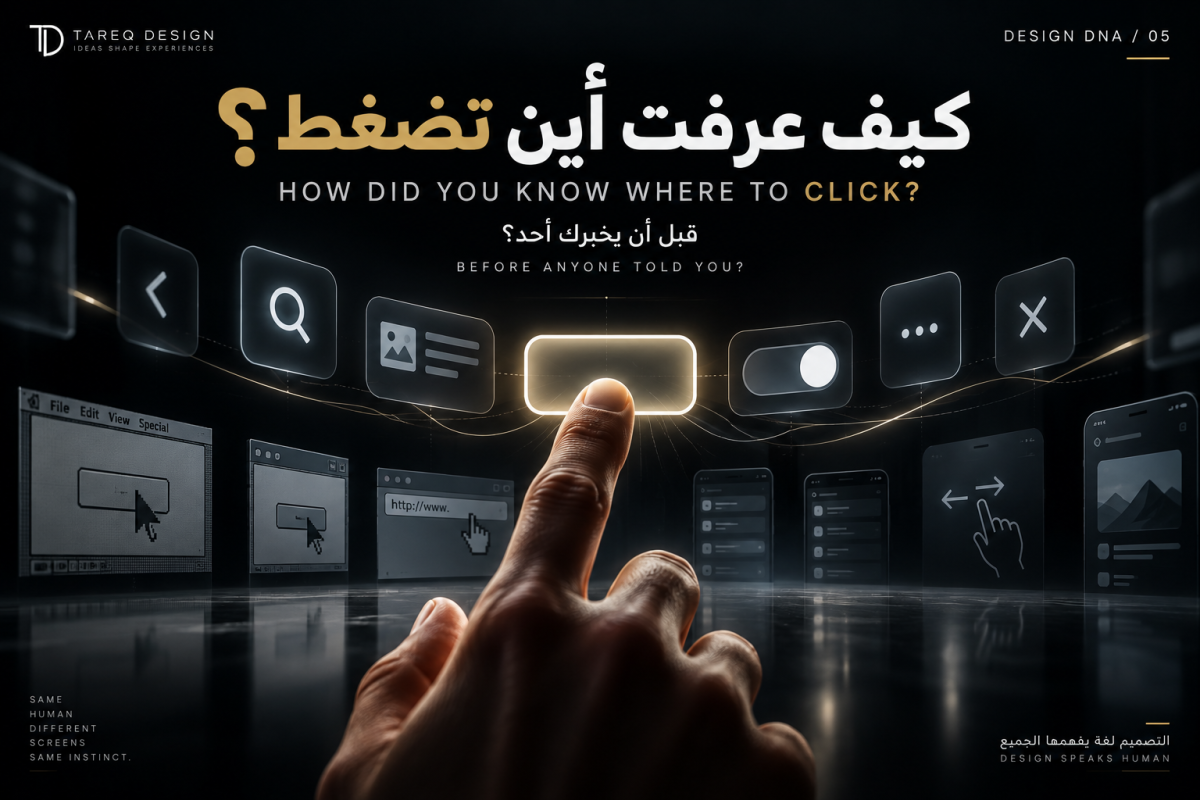
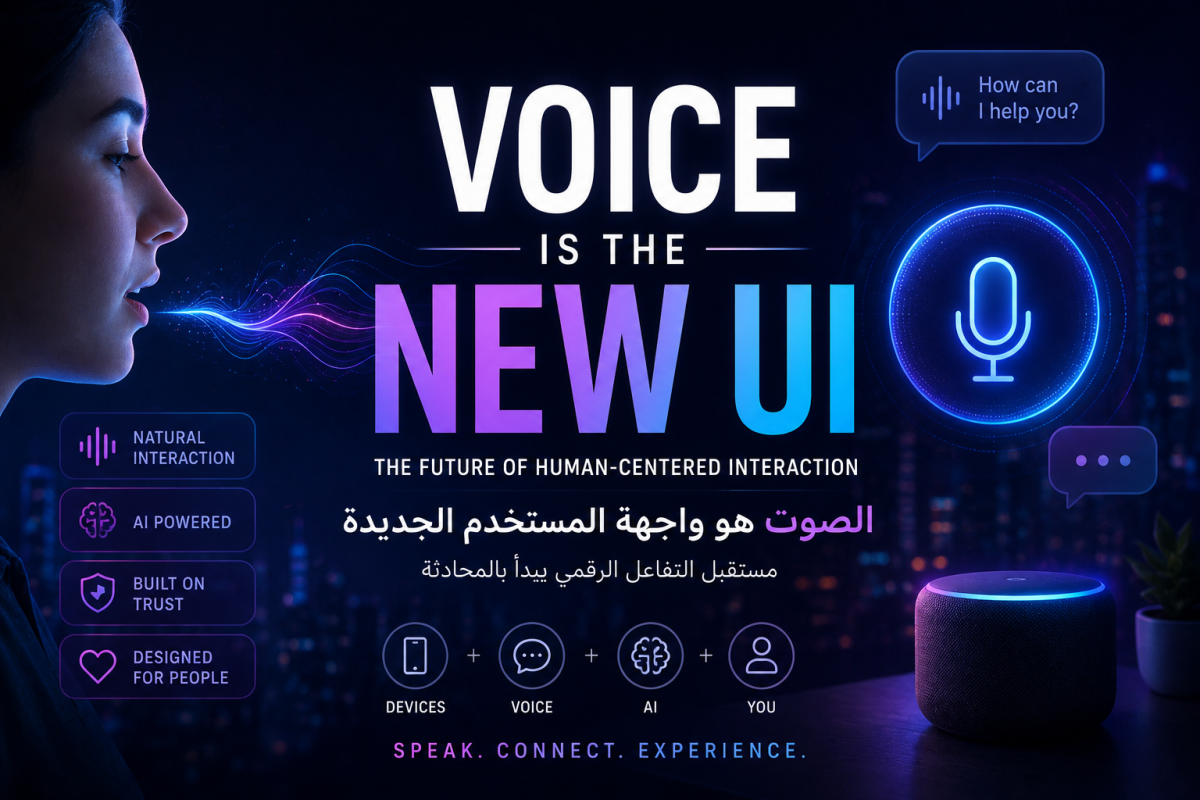
For decades, digital experiences relied on graphical interfaces such as menus, forms, and buttons. Today, AI-powered voice interactions are introducing a new paradigm where users can communicate with technology through natural conversation.
1. Why Voice Matters
Voice is the most natural form of human communication.
Instead of:
- Navigating menus.
- Filling forms.
- Clicking buttons.
Users can simply speak their intentions.
2. Voice Is More Than Technology
Voice UX is not only about speech recognition and synthesis.
It also includes:
- Personality.
- Tone of voice.
- Conversational style.
- Trust building.
Voice becomes part of the brand experience itself.
3. Transparency Builds Trust
A key principle of modern voice experiences is transparency.
Users should know when they are interacting with AI rather than a human.
Clear disclosure increases trust and improves overall user experience.
4. Voice as a Brand Asset
Just as brands have:
- Logos.
- Colors.
- Visual identities.
They now also have:
🎙️ Distinct voices.
🎙️ Conversational personalities.
🎙️ Unique communication styles.
These elements directly shape customer perception.
5. The Real Challenges
Designing voice experiences still presents challenges:
- Understanding user intent.
- Managing conversations.
- Explaining system capabilities.
- Handling misunderstandings gracefully.
6. The Future of UX
The future is not voice-only.
It is a combination of:
- Voice.
- Touch.
- Screens.
- Artificial Intelligence.
Working together to create seamless and context-aware experiences.
Conclusion
Voice is no longer just a feature—it is becoming a fundamental interaction model. As AI continues to evolve, conversational interfaces will play an increasingly important role in shaping the future of digital experiences.